



Maintaining good oral hygiene is about more than just brushing and flossing—especially when gum disease starts to develop. One of the most effective treatments for early to moderate stages of periodontal disease is scaling and root planing. This deep-cleaning dental procedure plays a crucial role in restoring gum health and preventing tooth loss.
In this guide, we’ll explore what scaling and root planing is, how it works, and why it might be recommended by your dentist.

What is Periodontal Scaling and Root Planing ?
Scaling and root planing—also known as periodontal scaling and root planing—is a non-surgical dental procedure designed to treat gum disease (periodontitis) by thoroughly cleaning the gum line, tooth roots, and surrounding areas where plaque and tartar build up.
Here’s a breakdown of the two parts:
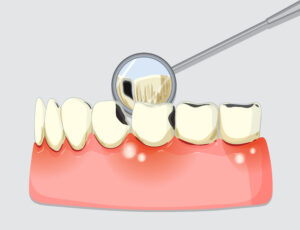
- Scaling involves removing plaque and tartar (calculus) from the tooth surface, both above and below the gum line. Special tools are used to gently remove this buildup, especially in areas where a regular toothbrush can’t reach.
- Root Planing is the process of smoothing the tooth roots. This helps remove any bacterial toxins and makes it more difficult for bacteria to stick to the surfaces again. A smooth root surface also encourages the gums to reattach to the teeth.
Together, scaling and root planing help reduce inflammation, halt the progression of gum disease, and create a healthier oral environment.

Why is Scaling and Root Planing Necessary?
When plaque and tartar build up beneath the gums, they create pockets between the teeth and gums where harmful bacteria thrive. Over time, this leads to:
- Gum inflammation (gingivitis)
- Receding gums
- Bone loss
- Tooth mobility and eventual tooth loss
Scaling and root planing are recommended when these deep gum pockets form, especially if your dentist measures pocket depths greater than 4mm during a periodontal exam.

Aftercare Tips for Best Results
To ensure proper healing and prevent reinfection:
- Brush gently with a soft-bristled toothbrush
- Floss daily
- Use an antibacterial mouth rinse if prescribed
- Avoid smoking, as it slows healing
- Follow up with your dentist regularly for maintenance cleanings
Who Needs Scaling and Root Planing?
This treatment is typically recommended for patients with:
- Gingivitis or early periodontitis
- Deep gum pockets (4mm or more)
- Persistent bad breath
- Bleeding or swollen gums
- A history of poor oral hygiene or missed dental cleanings

Does Scaling and root planing hurt
Scaling and root planing typically isn’t painful, as a local anesthetic is used to numb the area during the procedure. You may feel some pressure or mild discomfort, but most patients tolerate it well. After treatment, slight soreness or sensitivity is normal and usually goes away within a few days.
Conclusion
Scaling and root planing is a highly effective, non-surgical treatment for gum disease that helps restore your oral health and protect your smile. If you’re experiencing signs like bleeding gums or bad breath, don’t wait. Schedule a consultation at Riverplace Periodontics to see if this treatment is right for you.
Healthier gums start here—with expert care you can trust.