


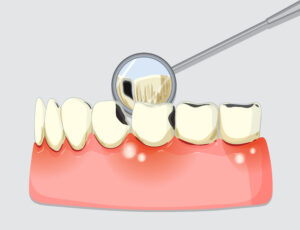




Gum disease isn’t a one-time problem—it’s a chronic condition that requires ongoing care. While treatments like scaling and root planing can control infection, they don’t eliminate the risk entirely. Without proper follow-up, harmful bacteria can quickly return. This is where periodontal maintenance therapy plays a critical role. It is a scientifically designed preventive approach that helps keep gum disease under control and protects long-term oral health.
What Is Periodontal Maintenance Therapy?
Periodontal maintenance therapy is a specialized dental cleaning performed after initial gum disease treatment. Unlike regular cleanings, it focuses on removing bacteria from deep gum pockets and monitoring gum health closely.
Patients with a history of periodontal disease are more vulnerable to reinfection. Maintenance therapy is tailored to prevent the recurrence of disease by targeting areas that are difficult to clean at home.
The Science Behind Gum Disease Recurrence
Gum disease is primarily caused by bacterial biofilm—a sticky layer of bacteria that forms on teeth and below the gumline. Even after treatment, these bacteria can recolonize within weeks.
Here’s how recurrence happens:
- Bacteria multiply in hard-to-reach areas
- The immune system responds with inflammation
- Gum tissue begins to break down again
- Pockets deepen, allowing more bacteria to thrive
Without professional intervention, this cycle continues and worsens over time.

How Periodontal Maintenance Therapy Works
1. Disrupting Bacterial Biofilm
The primary goal of maintenance therapy is to break down and remove bacterial biofilm before it becomes harmful again. Specialized tools clean below the gumline where toothbrushes cannot reach.
2. Controlling Inflammation
By removing irritants like plaque and tartar, maintenance therapy reduces gum inflammation. Healthy gums are less likely to harbor harmful bacteria.
3. Monitoring Pocket Depths
Dentists measure the depth of gum pockets during each visit. This helps detect early signs of disease recurrence and allows for timely intervention.
4. Preventing Tissue and Bone Loss
Untreated gum disease can lead to bone loss. Regular maintenance slows or stops this progression by keeping bacterial levels under control.
5. Personalized Care Plans
Each patient’s risk level is different. Factors like smoking, diabetes, and oral hygiene habits influence how often maintenance is needed. Typically, visits are recommended every 3–4 months.
Why Regular Dental Cleanings Are Not Enough
A common misconception is that regular dental cleanings can replace periodontal maintenance therapy. However, standard cleanings focus only on the tooth surface and gumline.
In contrast, periodontal maintenance:
- Targets deeper pockets
- Uses advanced instruments for thorough cleaning
- Includes detailed gum health evaluation
For patients with a history of gum disease, skipping maintenance can lead to rapid recurrence.
The Role of the Immune System
Your body’s immune response plays a major role in gum disease. When bacteria accumulate, the immune system releases chemicals to fight infection. However, this response can also damage healthy tissue if not controlled.
Periodontal maintenance helps by reducing the bacterial load, allowing the immune system to function without causing excessive inflammation or tissue destruction.
Long-Term Benefits of Periodontal Maintenance Therapy
Consistent periodontal maintenance offers several long-term advantages:
- Prevents recurrence of gum disease
- Reduces risk of tooth loss
- Maintains healthy gums and bone structure
- Improves overall oral hygiene
- Saves money by avoiding advanced treatments
It is not just a preventive step—it’s an essential part of managing a chronic condition.

Conclusion
The science behind periodontal maintenance therapy is clear: controlling bacteria is the key to preventing gum disease from returning. Without regular care, harmful bacteria can quickly rebuild and restart the cycle of infection.
By combining professional cleaning, monitoring, and personalized care, periodontal maintenance therapy provides a powerful defense against gum disease. Staying consistent with these visits ensures healthier gums, stronger teeth, and long-term oral stability.
Ready to Protect Your Gum Health?
Don’t wait for gum disease to return. Consistent periodontal maintenance is the key to keeping your smile healthy and strong.
Schedule your periodontal maintenance appointment today with Riverplace Periodontics and stay one step ahead of gum disease.
Book your visit now and invest in long-term oral health and confidence.
FAQs
1. How often should I get periodontal maintenance therapy?
Most patients need it every 3–4 months, but frequency may vary based on individual risk factors.
2. Is periodontal maintenance therapy painful?
It is generally comfortable, and any mild discomfort can be managed with local anesthesia if needed.
3. Can gum disease come back after treatment?
Yes, without maintenance therapy, bacteria can recolonize and cause the disease to return.
4. What is the difference between regular cleaning and periodontal maintenance?
Regular cleaning focuses on surface plaque, while periodontal maintenance targets deeper areas below the gumline.
5. Is periodontal maintenance therapy necessary for life?
In most cases, yes. Since gum disease is chronic, ongoing care is required to keep it under control.