
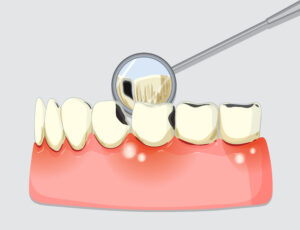






Many people think gum disease only affects the mouth, but the reality is far more serious. Avoiding periodontal treatment can impact not only your teeth and gums but also your overall health. Gum disease is a chronic bacterial infection that can spread inflammation throughout the body, increasing the risk of several serious health conditions.
In its early stages, periodontal disease may seem harmless, causing only mild bleeding or gum sensitivity. However, without proper treatment, the infection can worsen over time and lead to long-term oral and systemic health complications. Understanding these hidden health risks can help you take timely action and protect your well-being.
What Is Periodontal Disease?
Periodontal disease, commonly known as gum disease, develops when plaque and bacteria accumulate around the teeth and gums. If not removed through proper oral hygiene and professional care, the bacteria cause inflammation that damages gum tissue and supporting bone.
The condition often begins as gingivitis, which may include symptoms like swollen gums and bleeding while brushing. Without treatment, it can progress into periodontitis, a more severe stage that can lead to bone loss and tooth loss.
How Gum Disease Affects the Body
The mouth is closely connected to the rest of the body. When gum disease is left untreated, harmful bacteria can enter the bloodstream and trigger inflammation in different organs and systems.
This ongoing inflammation is one of the main reasons periodontal disease has been linked to several serious health conditions.
Increased Risk of Heart Disease
Research suggests a strong connection between periodontal disease and heart health. Bacteria from infected gums may enter the bloodstream and contribute to inflammation in blood vessels. This can increase the risk of heart disease, clogged arteries, and stroke.
People with untreated gum disease are often more likely to experience cardiovascular problems compared to those with healthy gums.
Complications for Diabetes
There is a two-way relationship between diabetes and gum disease. High blood sugar levels can increase the risk of infections, including periodontal disease. At the same time, severe gum inflammation can make it harder to control blood sugar levels.
Avoiding periodontal treatment may worsen diabetic symptoms and increase the risk of complications.
Respiratory Health Problems
Bacteria from the mouth can sometimes travel into the lungs, especially in older adults or individuals with weakened immune systems. This may increase the risk of respiratory infections such as pneumonia.
Maintaining healthy gums through periodontal care can help reduce the spread of harmful oral bacteria.
Tooth and Bone Loss
One of the most common consequences of untreated periodontal disease is the destruction of bone and connective tissue supporting the teeth. As the infection progresses, gums begin pulling away from the teeth, creating deep pockets where bacteria thrive.
Eventually, teeth may loosen or fall out completely. Replacing missing teeth often requires expensive restorative procedures such as dental implants or bridges.
Chronic Inflammation and Immune System Stress
Periodontal disease keeps the body in a constant state of inflammation. Over time, chronic inflammation can place stress on the immune system and affect the body’s ability to heal properly.
This ongoing immune response may contribute to fatigue, discomfort, and increased vulnerability to other health conditions.
Why Early Periodontal Treatment Matters
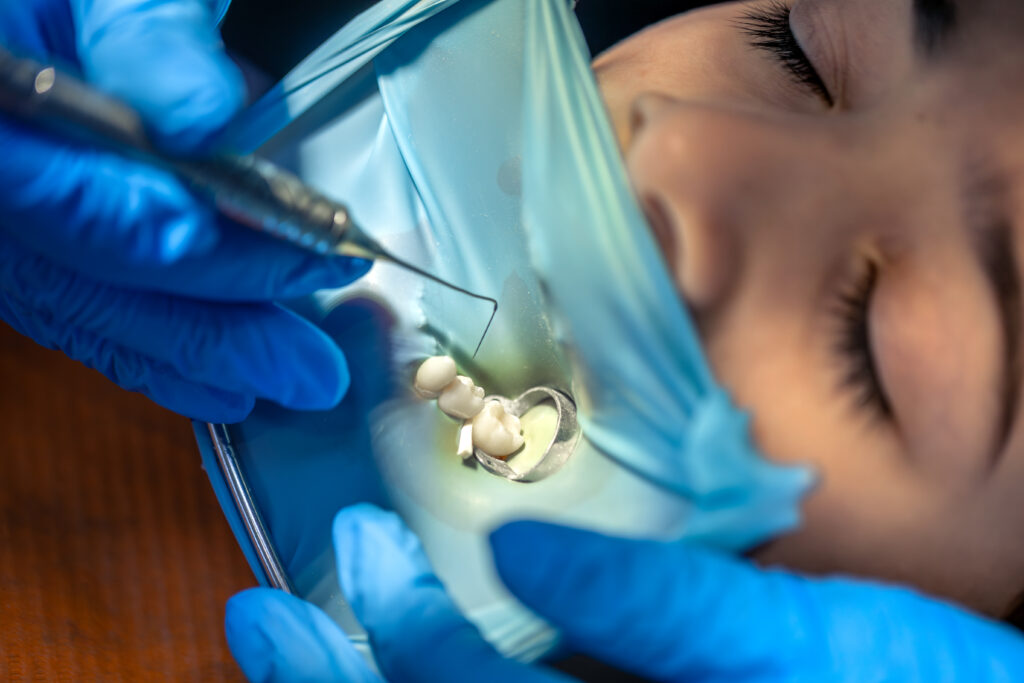
Early treatment can stop gum disease before it causes permanent damage. Professional periodontal care removes harmful bacteria, reduces inflammation, and helps restore gum health.
Treatments such as scaling and root planing, laser periodontal therapy, and regular maintenance visits are designed to keep the disease under control and prevent complications.
The sooner treatment begins, the better the chances of preserving healthy teeth and gums.

Conclusion
Avoiding periodontal treatment may seem harmless at first, but the hidden health risks can become serious over time. Untreated gum disease can affect your heart, lungs, blood sugar levels, and overall quality of life. It can also lead to tooth loss and expensive dental procedures.
Taking care of your gums is not just about protecting your smile—it’s about protecting your total health. Seeking timely periodontal treatment can help you avoid long-term complications and maintain a healthier future.
Protect Your Health with Expert Periodontal Care
Don’t ignore the warning signs of gum disease. Early periodontal treatment can protect your smile and support your overall health.
Schedule your consultation today with Riverplace Periodontics and receive personalized care for healthier gums and long-term wellness.
Book your appointment now and take the first step toward better oral health.
FAQs
1. Can untreated gum disease affect overall health?
Yes, untreated periodontal disease has been linked to heart disease, diabetes complications, and respiratory issues.
2. What are the early signs of periodontal disease?
Common symptoms include bleeding gums, swelling, bad breath, and gum sensitivity.
3. Can periodontal disease cause tooth loss?
Yes, advanced gum disease damages the bone supporting teeth, which can lead to tooth loss.
4. Is periodontal treatment painful?
Most periodontal treatments are comfortable, and modern techniques help minimize discomfort.
5. How can I prevent gum disease from worsening?
Regular dental visits, proper oral hygiene, and periodontal maintenance therapy can help control gum disease.