



Healthy gums are the foundation of a healthy smile, yet many people overlook the importance of gum care until serious problems appear. Periodontal treatment is designed to prevent, manage, and treat gum disease before it leads to complications such as bone loss and tooth loss.
Whether you are experiencing early signs of gum disease or looking to understand your treatment options, learning about periodontal care can help you protect your long-term oral health. Modern periodontal therapy offers effective solutions that improve gum health, reduce infection, and support a stronger smile.
What Is Periodontal Treatment?
Periodontal treatment refers to specialized dental procedures used to treat gum disease and maintain healthy gums. These treatments focus on removing bacteria, reducing inflammation, and preventing further damage to the tissues and bone supporting the teeth.
The type of treatment recommended depends on the severity of the condition. Early stages of gum disease may require non-surgical periodontal therapy, while advanced cases may need more extensive procedures.

Understanding Gum Disease
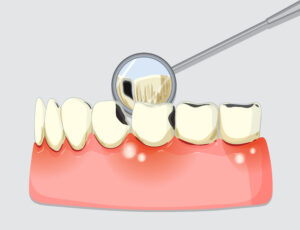
Gum disease, also known as periodontal disease, develops when plaque and bacteria build up around the teeth and gumline. If left untreated, the infection spreads deeper below the gums and damages the supporting structures of the teeth.
Common symptoms of periodontal disease include:
- Bleeding gums
- Swollen or tender gums
- Persistent bad breath
- Gum recession
- Loose teeth
Because gum disease often progresses slowly, many patients do not realize they need periodontal disease treatment until significant damage has already occurred.
Types of Periodontal Treatment
Scaling and Root Planing
Scaling and root planing is one of the most common non-surgical periodontal treatments. This deep cleaning procedure removes plaque, tartar, and bacteria from below the gumline while smoothing tooth roots to prevent future buildup.
This treatment helps reduce gum inflammation and promotes healing.
Periodontal Therapy
Periodontal therapy includes ongoing treatments designed to manage gum disease and maintain oral health. These therapies may include deep cleanings, antibacterial treatments, and regular periodontal maintenance visits.
Consistent periodontal therapy is essential for preventing the recurrence of gum disease.

Laser Periodontal Treatment
Laser technology has become a modern solution for treating gum disease. Laser periodontal treatment targets infected tissue with precision while minimizing discomfort and recovery time.
This minimally invasive approach is often preferred by patients seeking advanced and comfortable treatment options.
Surgical Periodontal Procedures
In advanced cases, surgical treatment may be necessary to restore gum and bone health. Procedures such as gum grafting and bone grafting help repair damaged tissue and improve oral stability.
These treatments are typically recommended when non-surgical methods are no longer enough.
Why Early Periodontal Disease Treatment Matters
Early treatment is the key to preventing severe complications. When gum disease is detected in its early stages, periodontal therapy can stop the infection before it causes permanent damage.
Delaying treatment increases the risk of:
- Bone loss
- Tooth loss
- Gum recession
- Expensive restorative procedures
Professional periodontal care not only protects your smile but also supports overall health, as gum disease has been linked to conditions like heart disease and diabetes.
Benefits of Periodontal Treatment
Periodontal treatment provides several long-term benefits for both oral and overall health. It helps eliminate harmful bacteria, reduces gum inflammation, and strengthens the foundation supporting your teeth.
Patients who receive regular periodontal care often experience fresher breath, healthier gums, and improved confidence in their smile. Preventive care also reduces the need for complex dental procedures in the future.
Maintaining Healthy Gums After Treatment
Successful periodontal disease treatment requires ongoing maintenance and good oral hygiene habits. Brushing twice daily, flossing regularly, and attending scheduled periodontal maintenance visits help keep gum disease under control.
Your periodontist may recommend maintenance appointments every three to four months based on your condition and risk factors.

Conclusion
Periodontal treatment plays a vital role in protecting your gums, teeth, and overall health. From non-surgical periodontal therapy to advanced laser procedures, modern treatments provide effective solutions for managing gum disease and preventing long-term complications.
Understanding your treatment options and seeking care early can help preserve your natural smile and improve your quality of life.
Take the First Step Toward Healthier Gums
Healthy gums are essential for a healthy smile. If you are experiencing signs of gum disease, professional periodontal treatment can help restore your oral health before complications worsen.
Schedule your consultation today with Riverplace Periodontics and discover personalized care designed to protect your smile.
Book your appointment now and start your journey toward healthier gums and lasting confidence.