


Losing a tooth in the upper back jaw often comes with a hidden complication: the bone in that area tends to shrink over time, and the sinus cavity can settle lower into the space left behind. This makes it harder to place a dental implant with enough support to last. Sinus bone augmentation addresses this exact problem by rebuilding bone volume so implants have a strong, stable foundation. At Riverplace Periodontics, this procedure is a routine part of preparing patients for successful, long-term implant treatment.
What Is Sinus Bone Augmentation?
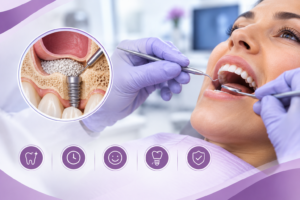
Sinus bone augmentation, often called a sinus lift, is a procedure that adds bone graft material beneath the sinus membrane in the upper jaw. Over time, tooth loss, gum disease, or natural aging can cause the jawbone in this area to lose height and density. Without enough bone, an implant may not have the support it needs to stay secure.
Patients who want a deeper look at what a sinus augmentation procedure actually involves can review the details with a periodontist before deciding whether the treatment fits their situation.
How Does Sinus Augmentation Work?
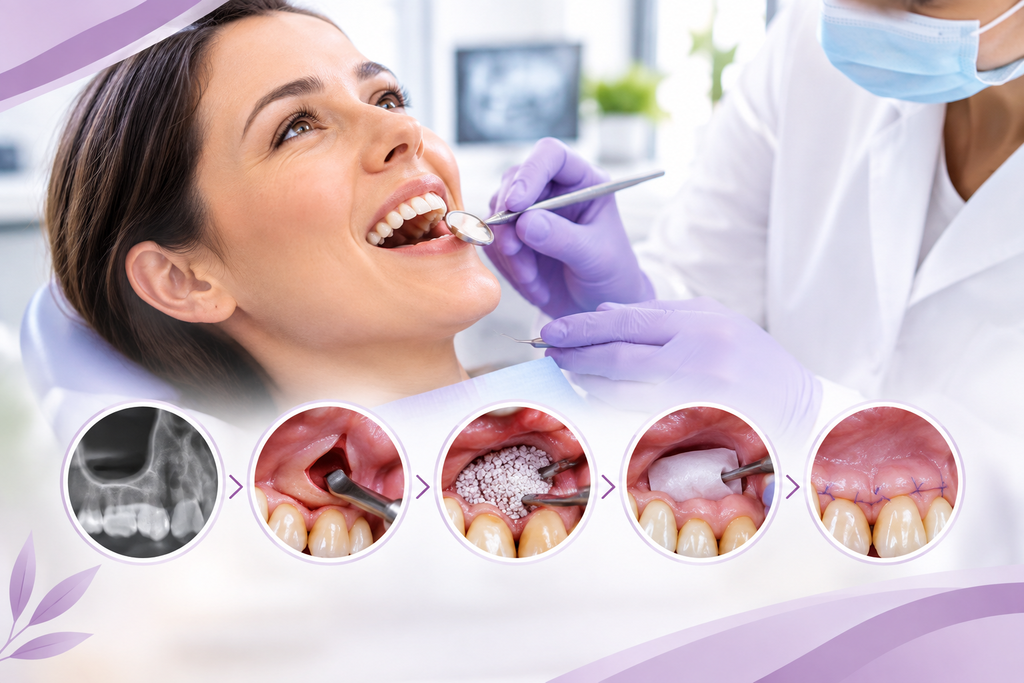
Many patients naturally wonder how sinus augmentation works, especially since it sounds more involved than a standard extraction or filling. The general process includes:
- Evaluating bone height and sinus position through imaging such as a CT scan
- Making a small opening in the bone near the upper back teeth
- Gently lifting the sinus membrane to create space above the jawbone
- Placing bone graft material into that space to encourage new bone growth
- Allowing several months for the graft to integrate before implant placement
In some cases, if there’s already enough bone height, the graft and implant can be placed during the same appointment.
Why the Procedure Matters
Without adequate bone, implants placed in the upper jaw run a higher risk of failure. This sinus augmentation procedure gives the bone the volume and density it needs so the implant can integrate properly and function like a natural tooth root for years to come.
How Long Does Sinus Lift Recovery Take?
One of the most common questions patients ask is how long does sinus lift recovery take. In general, initial healing takes about one to two weeks, while the bone graft itself typically needs four to nine months to fully mature before an implant can be placed on top of it.
The First Two Weeks
Mild swelling, congestion, or minor bleeding from the nose is common during this period. Patients are usually advised to avoid blowing their nose, sneezing forcefully, or using straws, since sudden pressure changes can disturb the healing graft.
Months One Through Nine
During this stretch, the grafted material gradually fuses with the existing bone. Follow-up visits and imaging help confirm the graft has matured enough to safely support an implant.
Who Might Need This Procedure?
Not everyone considering dental implants needs a sinus lift, but it’s commonly recommended for:
- Patients missing upper back teeth for an extended period
- Anyone with naturally low sinus placement or thin jawbone
- People who lost bone density due to long-term gum disease
- Patients whose earlier imaging shows insufficient bone height for implants
A thorough evaluation, including imaging and a review of dental history, helps determine whether this procedure is the right step before implant placement.
How Sinus Bone Augmentation Supports Implant Success
Dental implants rely entirely on the surrounding bone for stability. When bone volume is lacking, implants are more likely to shift, loosen, or fail over time. By rebuilding that foundation first, sinus bone augmentation significantly improves the odds of a successful, long-lasting implant. This is closely related to other bone-building procedures, including jaw bone augmentation and ridge augmentation, which address similar bone-loss concerns in other areas of the mouth.
Patients often have questions about implant safety in general, and this related article on whether dental implants are safe offers helpful context for anyone weighing their tooth-replacement options.
What to Expect During Recovery
Recovery after a sinus lift is generally manageable with the right aftercare. Patients are typically advised to:
- Stick to soft foods for the first several days
- Avoid strenuous activity or air travel shortly after the procedure
- Take prescribed medications exactly as directed to prevent infection
- Attend all scheduled follow-up appointments to monitor healing progress
Most people return to normal daily routines within a week, even though the bone underneath continues healing for months afterward.
Why Choose Riverplace Periodontics
Sinus bone augmentation requires precision, experience, and a clear understanding of each patient’s anatomy. Riverplace Periodontics takes a personalized approach to every case, explaining what to expect at each stage and building a treatment timeline suited to individual healing needs. Patients are encouraged to ask questions and share any concerns before moving forward with treatment planning.
Final Thoughts
Losing bone in the upper jaw doesn’t have to stand in the way of getting a dental implant. Sinus bone augmentation offers a reliable way to rebuild that foundation, giving implants the strength and stability they need to function well for years. Anyone missing upper back teeth or wondering whether they qualify for implants may benefit from a professional evaluation sooner rather than later.
Those ready to take the next step can call Riverplace Periodontics or book an appointment to find out whether sinus bone augmentation is part of the right path toward a stronger, healthier smile.