
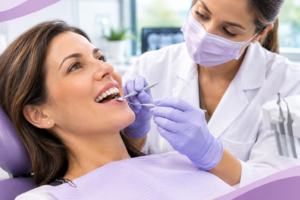
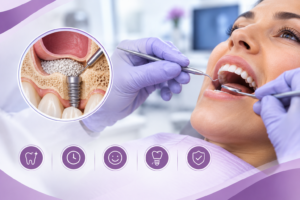
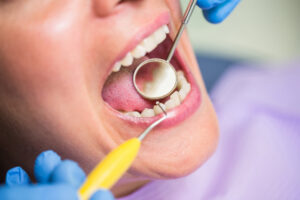

Periodontal disease, commonly known as gum disease, affects millions of people worldwide and can lead to serious oral health complications if left untreated. Traditionally, periodontal care involved invasive procedures, long recovery times, and discomfort for patients. However, with the rapid advancement of modern technology, periodontal treatment has undergone a significant transformation. Today, patients visiting a periodontal treatment center can benefit from innovative, minimally invasive, and highly effective solutions.
Understanding Periodontal Disease
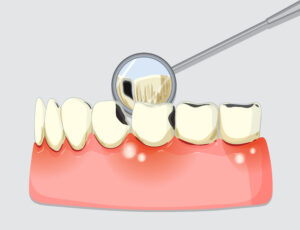
Before exploring technological advancements, it is essential to understand periodontal disease. It is a chronic inflammatory condition that affects the gums and supporting structures of the teeth. In its early stage, known as gingivitis, symptoms include redness, swelling, and bleeding gums. If untreated, it can progress to periodontitis, leading to bone loss, tooth mobility, and eventually tooth loss.
Modern technology plays a crucial role in early detection, accurate diagnosis, and effective treatment of this condition, making outcomes more predictable and patient-friendly.
Digital Diagnostics and Imaging
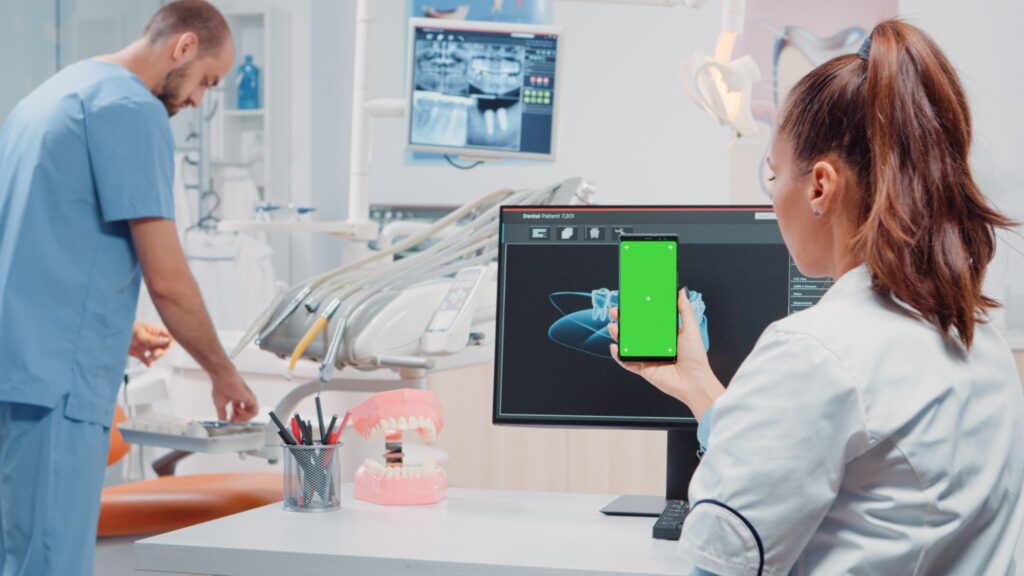
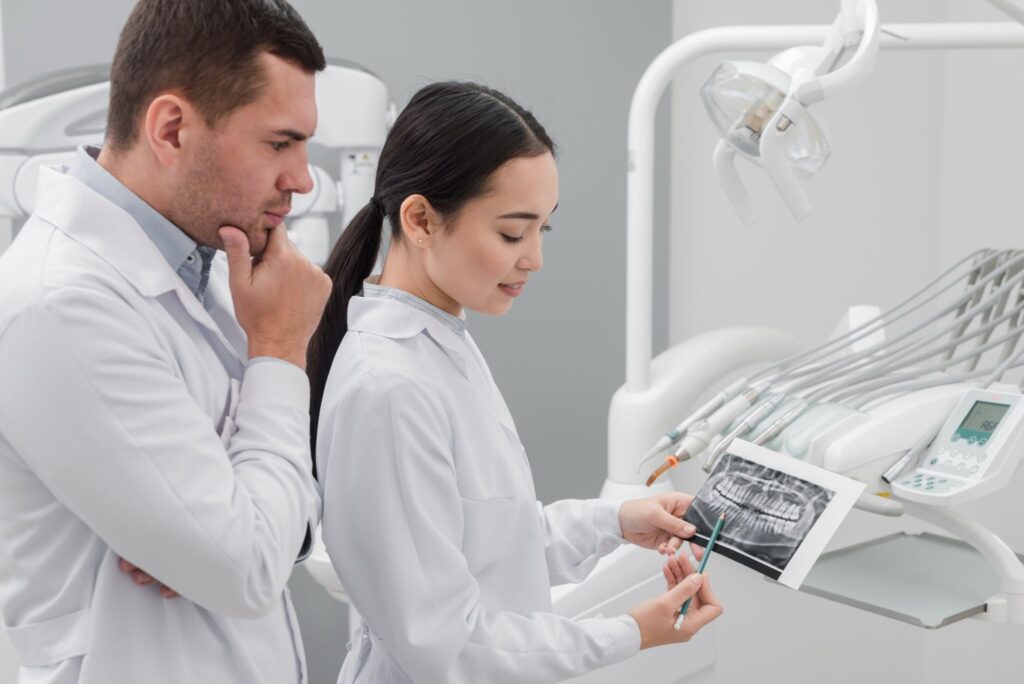
One of the most impactful innovations in periodontal care is the use of digital diagnostics. Advanced imaging technologies such as 3D cone beam computed tomography (CBCT) and digital X-rays allow dentists to obtain highly detailed images of the teeth, gums, and bone structure.
These tools enable professionals at a periodontal treatment center to:
- Detect gum disease at an early stage
- Assess bone loss with precision
- Plan customized treatment strategies
Digital imaging not only improves diagnostic accuracy but also reduces radiation exposure compared to traditional methods, ensuring patient safety.
Laser-Assisted Periodontal Therapy
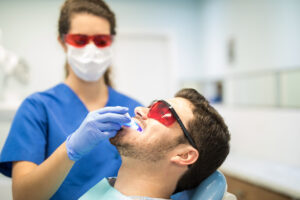
Laser technology has revolutionized the way periodontal treatments are performed. Laser-assisted therapy is a minimally invasive procedure that targets infected gum tissue without harming healthy areas.
Benefits of laser periodontal treatment include:
- Reduced bleeding and swelling
- Minimal discomfort during and after the procedure
- Faster healing time
- Lower risk of infection
Patients who visit a periodontal treatment center for laser therapy often experience a more comfortable and stress-free treatment compared to conventional surgical methods.
Minimally Invasive Techniques
Modern periodontal care focuses on preserving as much natural tissue as possible. Minimally invasive techniques, such as scaling and root planing with ultrasonic devices, have replaced more aggressive procedures.
These advanced tools use high-frequency vibrations to remove plaque and tartar effectively, even in hard-to-reach areas. As a result, patients benefit from:
- Less pain and discomfort
- Shorter recovery periods
- Improved treatment outcomes
A well-equipped periodontal treatment center utilizes these techniques to provide efficient and patient-centered care.
Regenerative Procedures
One of the most exciting developments in periodontal treatment is regenerative therapy. Unlike traditional methods that only manage symptoms, regenerative procedures aim to restore lost bone and tissue.
Technologies such as:
- Bone grafting
- Guided tissue regeneration (GTR)
- Platelet-rich plasma (PRP) therapy
help stimulate the body’s natural healing processes. These treatments encourage the regeneration of supporting structures, improving both function and aesthetics.
Patients seeking advanced care at a periodontal treatment center can now regain oral health that was once considered permanently lost.
Role of Artificial Intelligence (AI)
Artificial intelligence is emerging as a powerful tool in modern dentistry. AI-driven software can analyze dental images, identify early signs of gum disease, and assist in treatment planning.
Key advantages of AI in periodontal care include:
- Enhanced diagnostic accuracy
- Faster decision-making
- Personalized treatment plans
By integrating AI technology, a periodontal treatment center can deliver more precise and efficient care, improving patient outcomes.
Improved Patient Experience
Technology has also transformed the overall patient experience. From digital appointment systems to virtual consultations, accessing periodontal care has become more convenient than ever.
Additionally, modern tools help dentists educate patients through visual aids, making it easier to understand their condition and treatment options. This improved communication builds trust and encourages better oral hygiene practices.
Preventive Care and Monitoring
Preventive care is a critical aspect of periodontal health. Advanced tools such as smart toothbrushes, oral health apps, and remote monitoring systems allow patients to maintain better oral hygiene at home.
Dentists at a periodontal treatment center can track patient progress and provide timely guidance, reducing the risk of disease progression and the need for complex treatments.
The Future of Periodontal Treatment
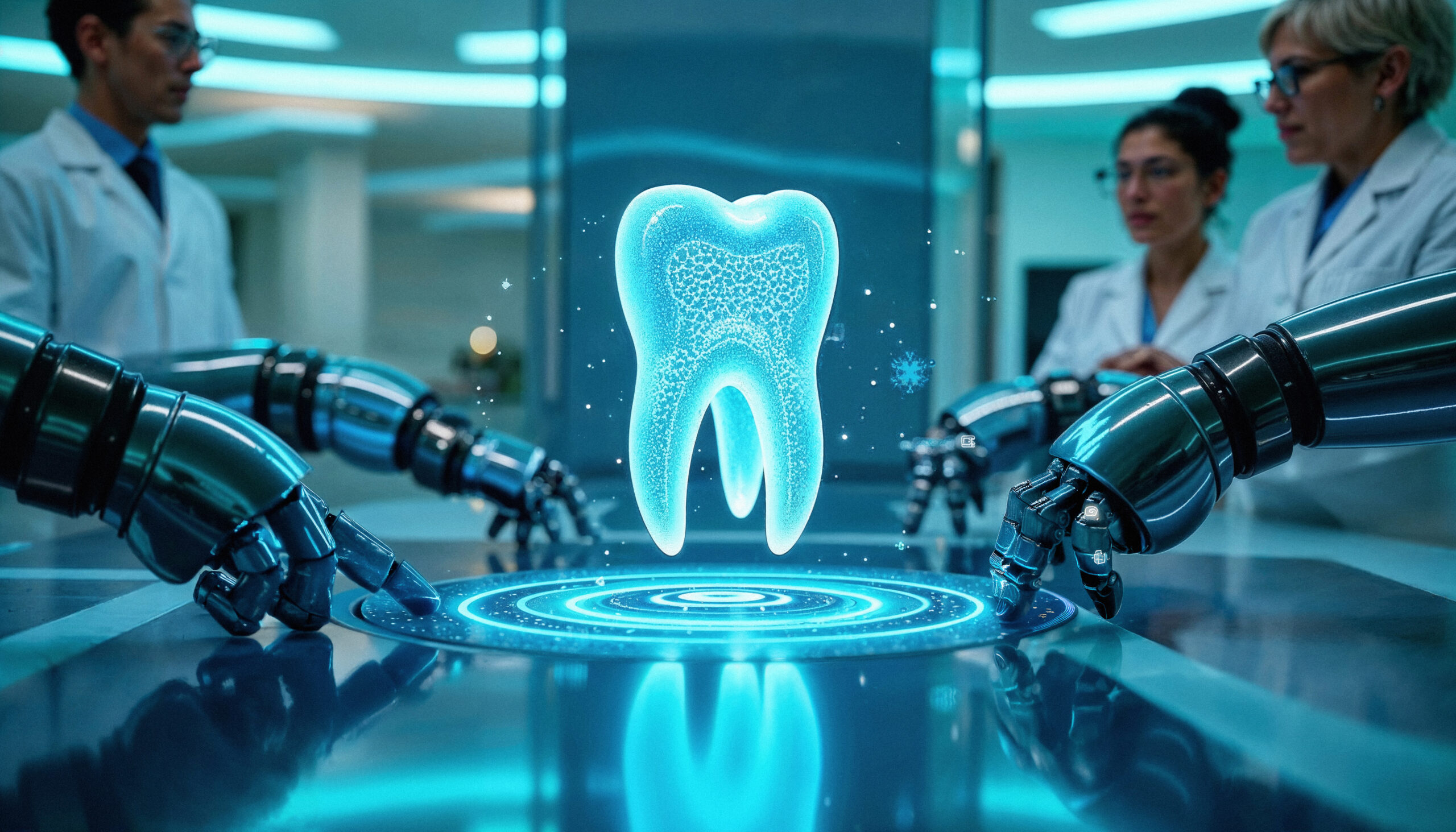
The future of periodontal care looks promising, with ongoing research and technological innovations continuing to reshape the field. Developments such as nanotechnology, bioengineered tissues, and robotic-assisted procedures are expected to further enhance treatment precision and effectiveness.
As these advancements become more widely available, patients can expect even safer, faster, and more comfortable periodontal treatments.
Conclusion
Modern technology has revolutionized periodontal treatment, making it more efficient, less invasive, and highly patient-focused. From digital diagnostics and laser therapy to regenerative procedures and AI integration, these innovations have significantly improved the way gum disease is managed.
Visiting a trusted periodontal treatment center ensures access to these advanced solutions, helping patients achieve optimal oral health and a better quality of life. By embracing these technological advancements, both dentists and patients can look forward to a future where periodontal disease is easier to prevent, diagnose, and treat effectively.